A simple search tells you that Slow Parenting is an approach to raising children that emphasizes presence over pressure, connection over control, and long-term well-being over short-term performance.
Here is how we practice it.
We have always tried to live slowly. And now, since becoming parents, we are reflecting that same approach in how we raise our daughter. She is now a little over a year old, and this is what slow parenting looks like for us:
• More observing, less stressing
As new parents living in a nuclear family, there are moments when we feel clueless. It’s easy to turn to the internet or “experts” for answers. But we’ve realized that too much dependence on acquired knowledge can interfere with simply observing our child and trusting our instincts.
We watch her closely. We listen. We feel.
And more often than not, we instinctively know what to do.
• Less scheduling
We don’t follow a minute-to-minute routine. Instead, we follow natural rhythms.
Winter brings longer nights, which often mean fewer daytime naps. Some days, meals are delayed. Some days she eats more, some days less.
We ensure she is nourished and cared for — but we worry less about rigid timing.
• Fewer toys, more engagement
We haven’t bought a single toy for her yet. Not because toys are wrong — but because we don’t believe a one-year-old needs many. Family and friends have gifted a few, and we offer them one at a time.
She plays deeply.
Her attention lingers longer.
We’ve learned that engagement matters more than excess.
• Time in nature
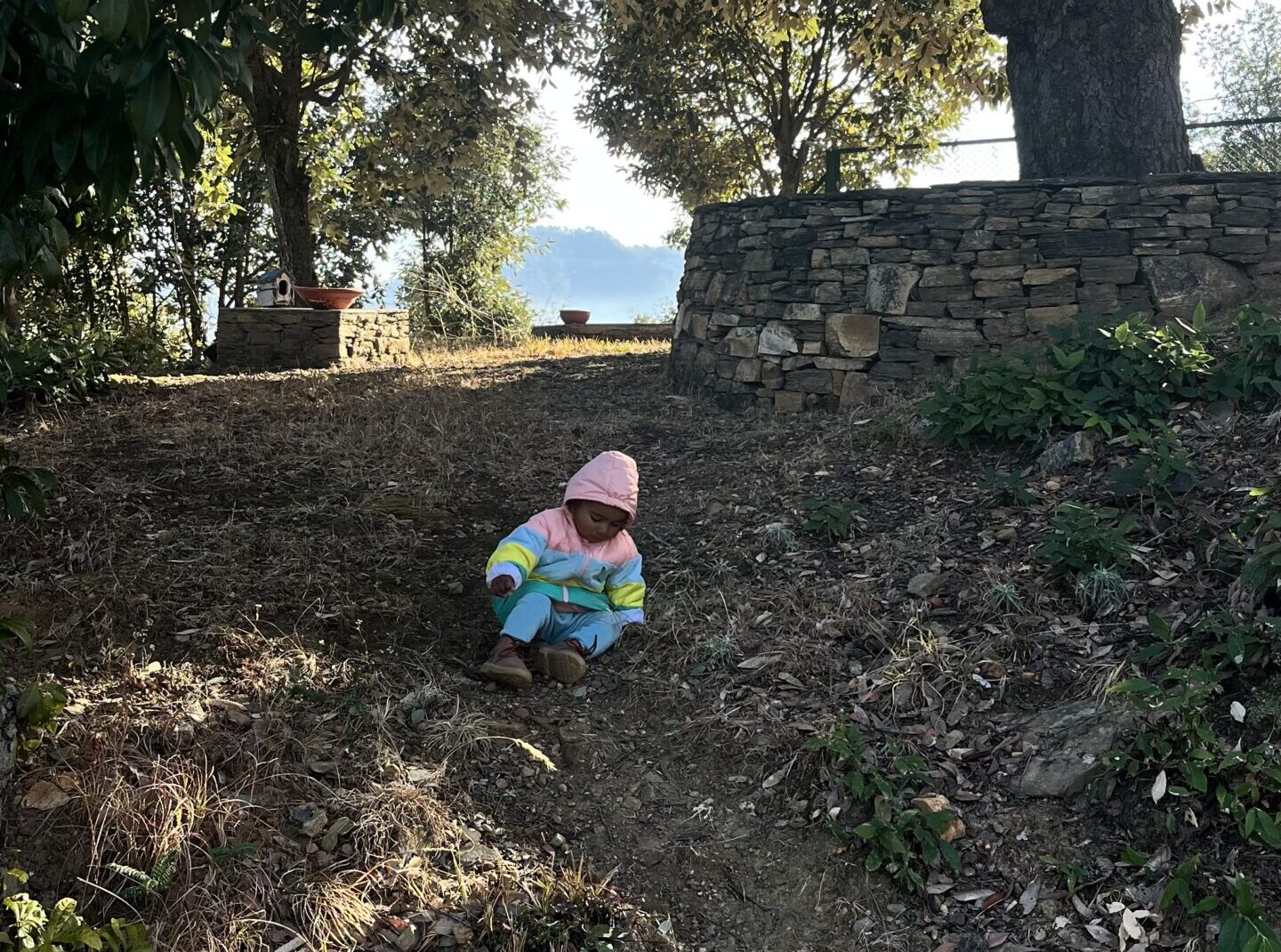
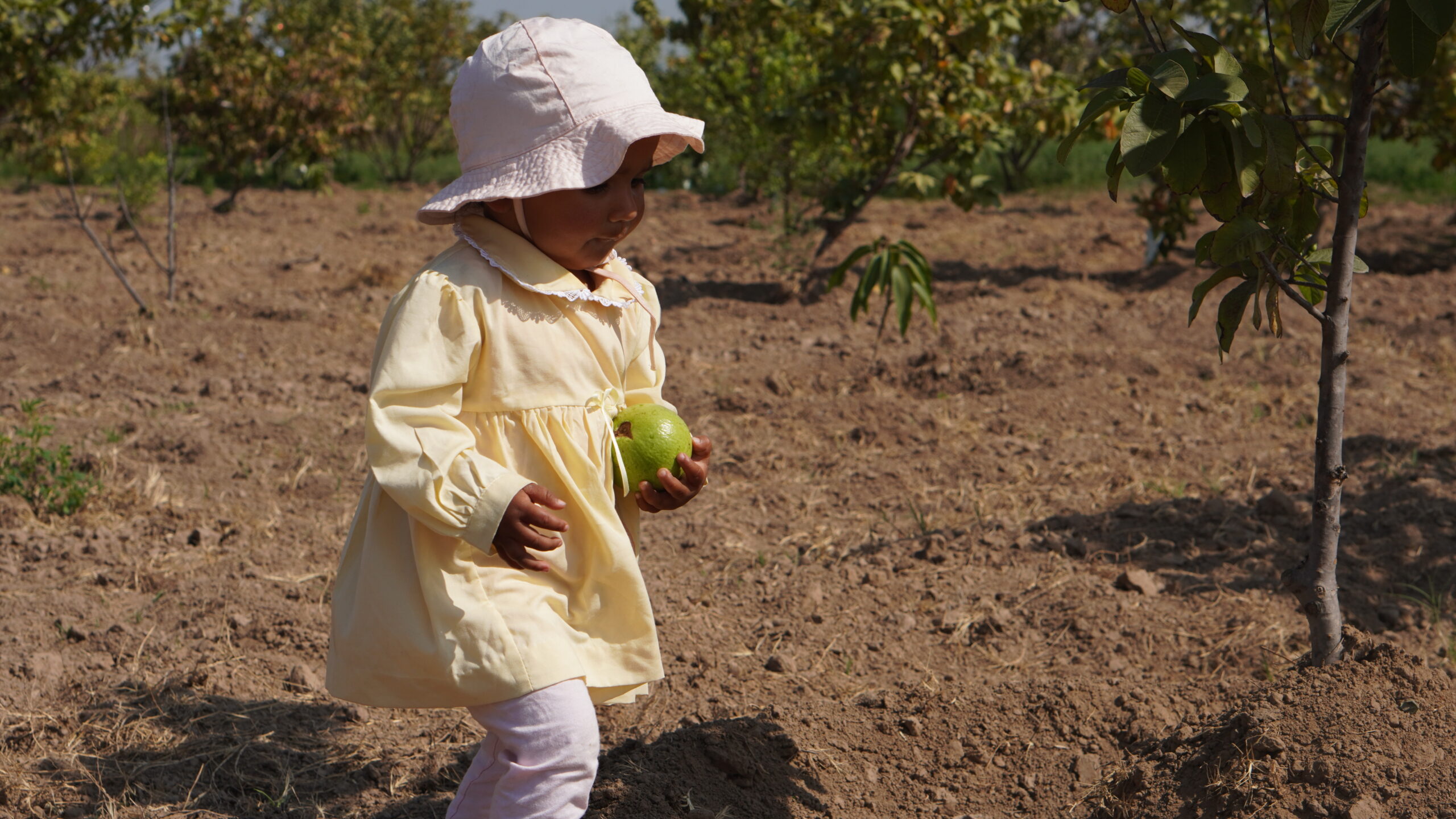
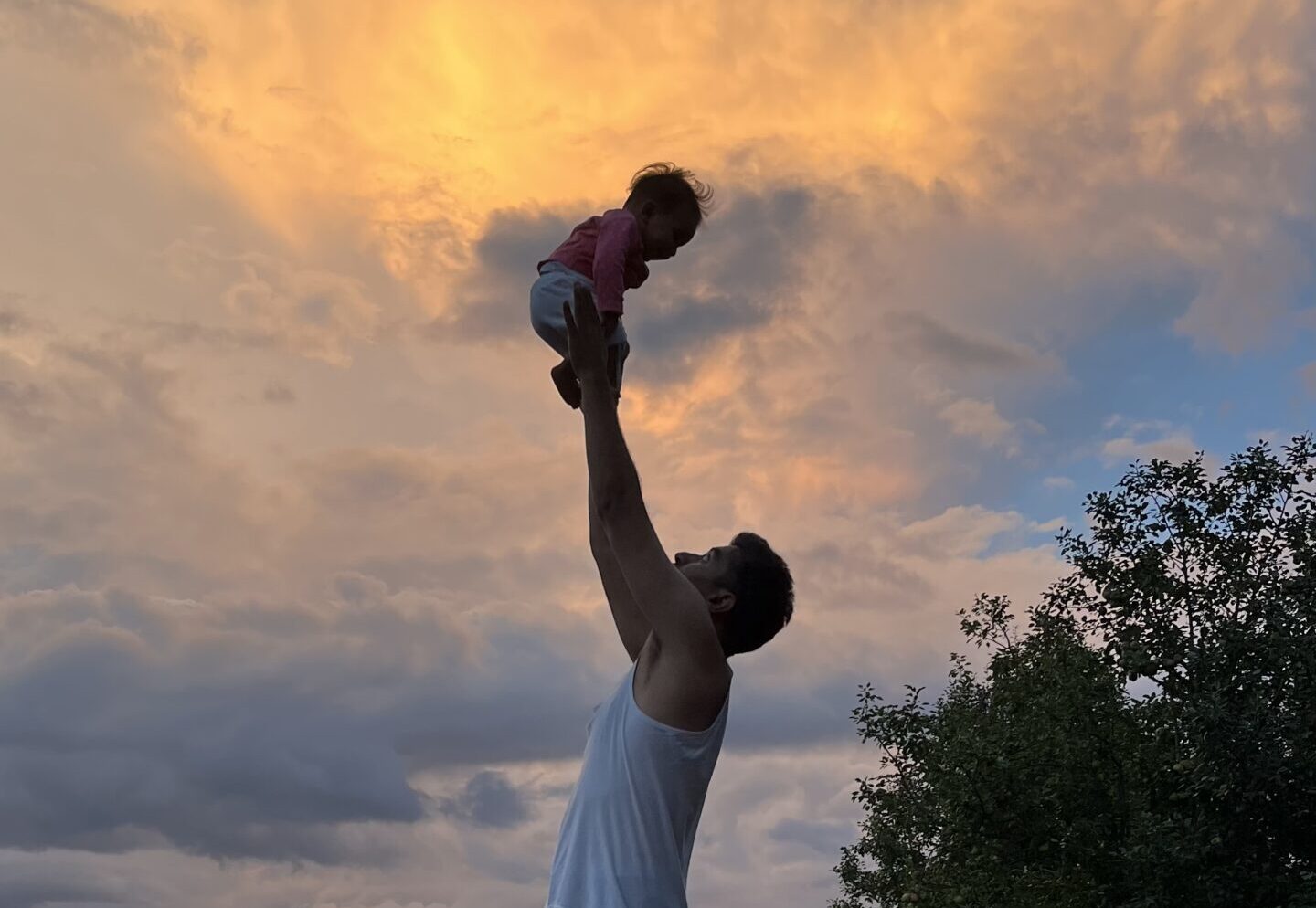
This one comes naturally to us. We are surrounded by mountains, trees, birds, changing skies. She spends a lot of time outdoors.
Nature offers low-stimulation experiences — wind on the skin, leaves moving, birds calling. These feel far more appropriate for a young child than fast-moving screens or overstimulating toys.
• Not obsessing over milestones
Recently, a friend told us about a couple who took their 1.5-year-old to a doctor because the child hadn’t developed teeth yet. After examining the child, the doctor asked them one question:
“Have you ever seen a person who didn’t grow teeth in their entire life?”
That perspective stayed with us.
We believe obsessing over milestones can be counterproductive. Every child unfolds at their own pace. Growth is not a race. Development is not a competition.
Slow Parenting, for us, is simply this:
- Trust.
- Observation.
- Patience.
- Presence.
It is raising a child the way we wish to live ourselves — slowly, consciously, and in connection with nature.